General information only, not personalized financial advice. Disclaimer.
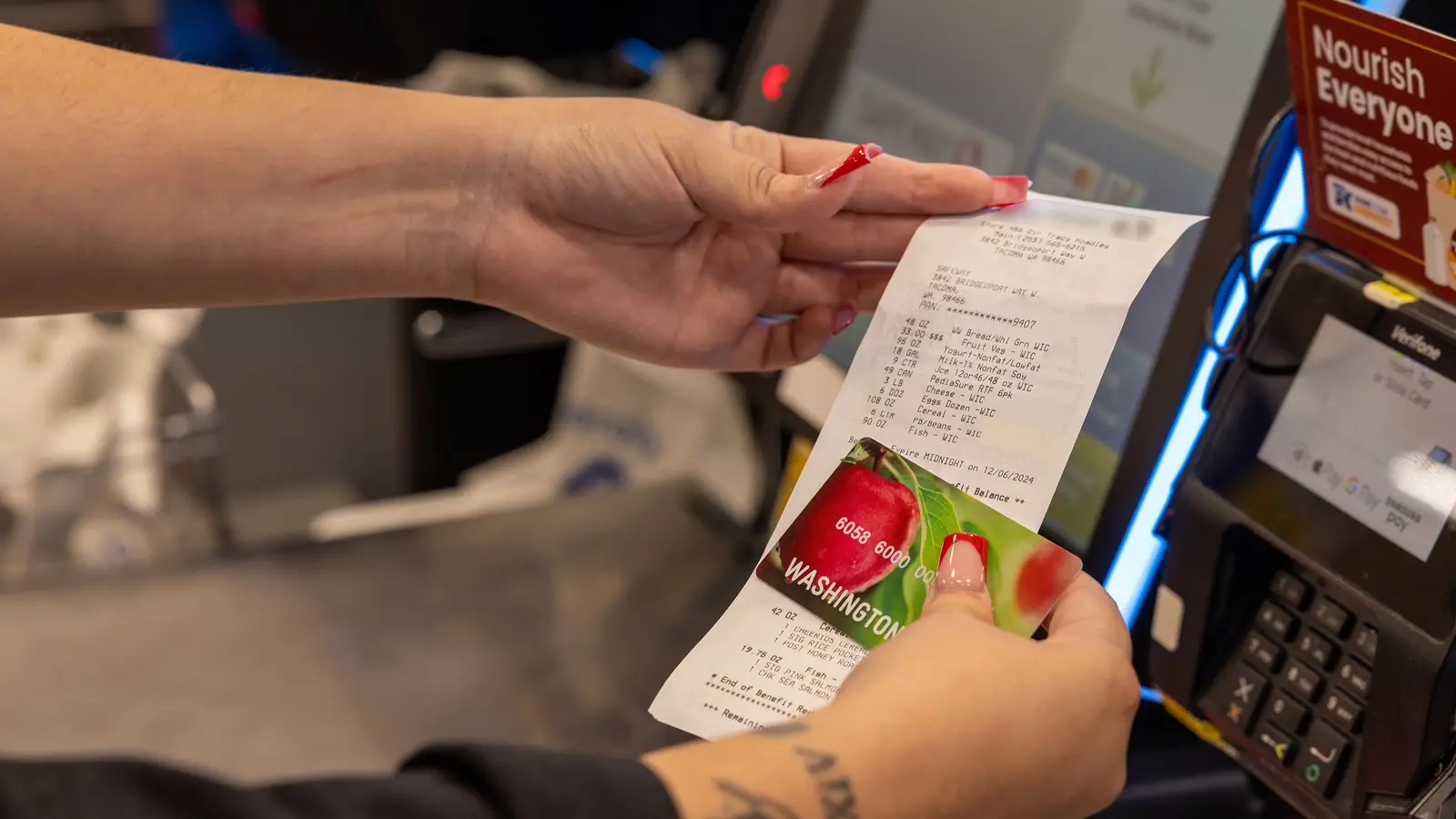
Here’s the test: grab your last grocery receipt and find the most expensive item. Then find the second one. On most receipts, a handful of items make up a big chunk of the total — and almost every one of them has a cheaper swap that keeps the same meal on the table.
Prices vary a lot by store, city and season, so the examples below use illustrative prices. Check the unit price (per ounce or pound) on the shelf tag in your own store.
Where the money actually goes
The Bureau of Labor Statistics tracks what U.S. households spend. In 2025 the average household spent $6,491 on food at home, and the biggest named categories looked like this (BLS):
| Grocery category | Average household, 2025 | Per week |
|---|---|---|
| Meats, poultry, fish and eggs | $1,579 | ~$30 |
| Fruits and vegetables | $988 | ~$19 |
| Cereals and bakery products | $741 | ~$14 |
| Dairy products | $644 | ~$12 |
The rest goes to snacks, drinks, oils, sugar, frozen and prepared foods. That’s why the list below starts with protein: it’s the biggest single target. Grocery prices overall rose 1.8% in the 12 months to September 2026 (BLS CPI) — slower than restaurant prices, but still enough to notice at the register.
Protein
- Boneless chicken breasts → whole chicken or bone-in thighs. Roast a whole bird, use the leftovers for wraps and soup.
- Steak → slow-cooker cuts. Chuck, brisket or shoulder cuts get tender with time.
- Pre-made burger patties → ground meat you shape yourself (stretch it with lentils or oats).
- Deli meat → home-roasted and sliced chicken or turkey.
- Fresh fish fillets → frozen fillets or canned fish. Frozen fillets keep for months, so nothing goes bad before you cook it.
- Two meat nights → two bean, egg or lentil nights a week.
Dairy
- Pre-shredded cheese → a block you grate. Grate it all at once and freeze what you won’t use soon.
- Single-serve yogurts → a big tub spooned into reusable containers.
- Name-brand butter → store brand.
Pantry and snacks
- Coffee pods → ground coffee and a basic machine or French press.
- Name-brand cereal → oats or store-brand cereal.
- Chip multipacks → one big bag portioned out, or popcorn kernels.
- Bottled water and soda → tap water, a filter jug and sparkling water as a treat.
- Granola bars → homemade oat bars or bulk nuts and fruit.
- Jarred pasta sauce → canned tomatoes, garlic and dried herbs.
Ready-made
- Frozen ready meals → double batches of your own, frozen in portions.
- Pre-cut fruit and veg → whole ones (five minutes with a knife).
- Salad kits → a head of lettuce plus your own dressing.
Non-food items
- Cleaning sprays → vinegar, baking soda and dish soap for everyday jobs. Never mix cleaning products together.
- Toiletries at the supermarket → buy them on sale or at discount stores and stock up a little.
The unit-price math, with examples
The swap only works if the unit price is actually lower. Here’s how the math looks with illustrative shelf prices:
| Item | Convenient version | Swap | Unit price before → after |
|---|---|---|---|
| Yogurt | 4 cups × 5.3 oz at $1.25 each ($5.00) | 32-oz tub at $3.50 | 23.6¢ → 10.9¢ per oz |
| Cheese | 8 oz shredded at $3.00 | 8 oz block at $2.50 | $6.00 → $5.00 per lb |
| Coffee | 24 pods at $15 | 12-oz bag at $9 (about 30 cups) | 63¢ → 30¢ per cup |
| Chips | 20 snack bags × 1 oz at $10 | 13-oz bag at $4.50 | 50¢ → 35¢ per oz |
| Oats vs. cereal | 12-oz cereal box at $4.50 | 42-oz oats canister at $5 | 37.5¢ → 11.9¢ per oz |
Two warnings when you read shelf tags:
- Check that both tags use the same unit. One brand may show price per ounce and another price per count or per “load.” Convert before comparing.
- Sale tags can hide a worse unit price. A small package on sale is sometimes still pricier per ounce than the regular large one. More on that in is a sale costing you more?
A case with numbers: one receipt, three swaps
Say the five priciest items on a weekly receipt were boneless chicken ($14), coffee pods ($15, every two weeks), pre-shredded cheese ($6), a salad kit ($5) and single-serve yogurts ($5). Swapping only the top three, with illustrative prices:
| Item | Before | After | Saved per month |
|---|---|---|---|
| Chicken (weekly) | $14 boneless | $9 bone-in thighs | ~$22 |
| Coffee (every 2 weeks) | $15 pods | $9 ground | ~$13 |
| Cheese (weekly) | $6 shredded | $5 block | ~$4 |
| Total | ~$39 |
That’s about $470 a year from three changes — no coupons, same meals. Add the yogurt and salad swaps later and the total climbs.
A week of dinners built from the swaps
Swaps stick when they come with a plan. Here’s one week of dinners for a family of four that uses the cheaper versions above — one whole chicken, a block of cheese, dried and canned beans, canned tomatoes, oats and eggs doing most of the work:
| Night | Dinner | Swaps it uses |
|---|---|---|
| Monday | Roast whole chicken, potatoes, frozen green beans | #1 whole chicken |
| Tuesday | Chicken wraps with leftover meat, grated cheese, lettuce | #4, #7, #18 |
| Wednesday | Bean and beef chili (half the meat, double the beans) | #3, #6 |
| Thursday | Chicken soup from the carcass, plus rice | #1 |
| Friday | Pasta with homemade tomato sauce | #15 |
| Saturday | Egg fried rice with frozen vegetables | #6 |
| Sunday | Leftover chili baked potatoes, or a lentil curry | #6, #16 |
Breakfasts are oats; lunches are leftovers. Make a double batch of chili on Wednesday and freeze half — that’s a “ready meal” (#16) for next week.
How to test a store brand
Not every store brand is a winner, and one bad experience puts people off all of them. Test them one at a time:
- Pick one item a week that you buy often.
- Buy the store version once. Compare the ingredient list on both packages while you’re in the aisle.
- Try it blind if you can. For cereal, pasta sauce or coffee, have someone else serve it without saying which is which.
- Keep a two-column list: “switched for good” and “worth the brand.” After two months, most people’s first column is much longer.
Make the freezer do the work
Several of these swaps only save money if nothing goes to waste. A few freezer habits make that easy:
- Grate the whole cheese block at once, then freeze it flat in a zip bag. Break off what you need.
- Flatten ground meat in freezer bags before freezing. Flat packs thaw much faster than a brick.
- Portion the whole chicken’s leftovers into meal-size bags for wraps, soup and fried rice.
- Freeze bread the day you buy it if you won’t finish it in a few days, and toast slices straight from frozen.
- Label everything with the date and what it is. “Mystery bag” is how good food ends up in the trash.
- Keep a list on the freezer door of what’s inside. Check it before you write the shopping list.
Swaps that don’t actually save money
- Bulk packs you can’t use in time. A giant bag of greens is expensive if half of it wilts.
- “Family packs” without a unit price check. They’re often cheaper per pound — but not always.
- Big containers of spices you’ll use twice a year. They lose flavor before you finish them.
- Homemade versions that need new equipment. A $60 gadget to make $3 granola bars takes a long time to pay off.
- Driving across town for one cheaper item. Fuel can cost more than the difference.
How to use this list
- Don’t swap everything at once. Pick your top 3 most expensive items from your receipt and swap only those for a month.
- Keep the receipt and compare it with next month’s.
- Compare with a benchmark. USDA publishes monthly cost estimates for four food plans, from thrifty to liberal, by age and household size (USDA Food Plans). It’s a useful reality check on whether your total is high, low or about normal.
- Skip “deals” that weren’t on your list.
- Move the difference to savings the same day, for example into a $1,000 in 26 weeks challenge or the grocery envelope in your cash stuffing binder.
Want the bigger plan?
Swaps are one piece. For meal planning, the pantry challenge, a four-week plan and shopping habits, read how to cut your grocery bill by $200 a month.
Fun break: how well do you remember prices? Play What did it cost in 1990? — five new items every day.
Frequently asked questions
What are the most expensive items on a typical grocery bill?
Usually meat and seafood, cheese, coffee, snacks, ready-made meals, drinks, cereal, and toiletries or cleaning products bought at the grocery store. In 2025 the average U.S. household spent more on meats, poultry, fish and eggs ($1,579) than on fruits and vegetables, dairy, or cereals and bakery products, according to the BLS.
Are store brands really the same quality?
Often they're very similar, and some are made by the same manufacturers. Compare the ingredient list and try one product at a time.
How do I compare unit prices?
Look for the small 'unit price' on the shelf tag (price per ounce, pound or count). Make sure both tags use the same unit — one may say per ounce and the other per count — and convert if needed before comparing.
How many swaps should I make at once?
Start with the three most expensive items on your last receipt. Swap only those for a month, then compare receipts before adding more.
Sources
- BLS: Consumer Expenditures — 2025 (news release)
- BLS: Consumer Price Index news release
- USDA FNS: USDA Food Plans — Cost of Food monthly reports
These are official, free resources. This article is general information, not personalized financial advice — for decisions about your own money, talk to a licensed professional or a nonprofit counselor.