General information only, not personalized financial advice. Disclaimer.
- 35 Things Frugal People Never Buy (Part 1: Around the House)
- 35 Things Frugal People Never Buy (Part 2: Shopping, Money & Lifestyle)
Frugal people aren’t the ones who never spend money. They’re the ones who refuse to keep paying for things that quietly drain their budget. Most of these swaps take five minutes and save money every single month.
This is part 1 of our list: things around the house. Part 2 covers shopping, money and lifestyle.
In the kitchen
1. Paper towels by the dozen
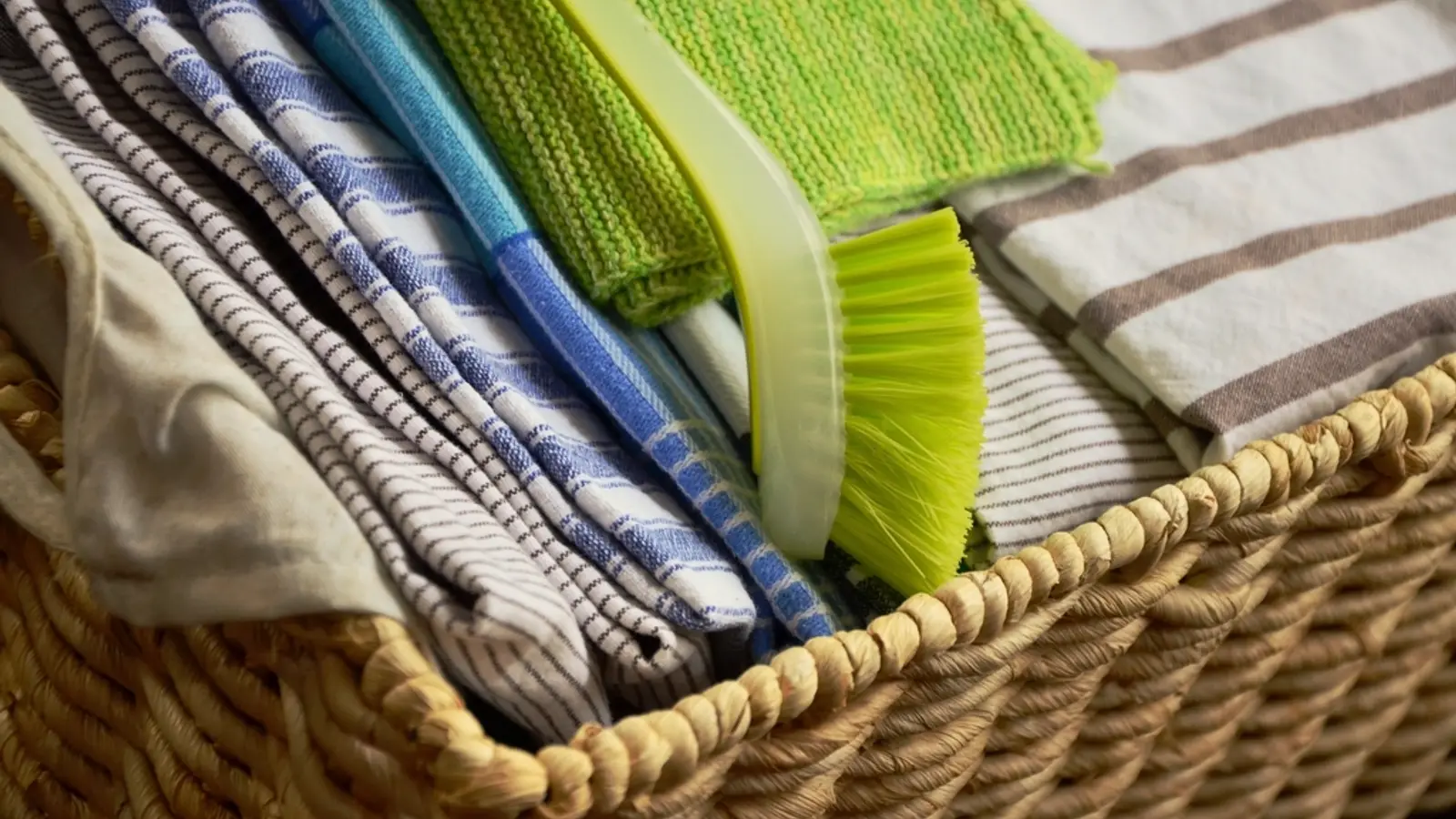
A stack of cheap cotton rags or cut-up old T-shirts handles 90% of spills. Keep one roll for the truly gross jobs and it lasts months.
2. Bottled water
If your tap water is safe, a filter pitcher and a reusable bottle pay for themselves in weeks. A family buying a case a week can easily spend $250+ a year.
3. Pre-cut fruit and vegetables
That tray of pre-cut melon can cost two to three times as much as a whole one. Five minutes with a knife is a well-paid five minutes.
4. Single-serve snack packs
Buy the big bag and portion it into reusable containers. Same snacks, often half the price per ounce.
5. Coffee pods
Per cup, pods are usually far more expensive than ground coffee. A basic drip machine or a French press makes coffee that’s just as good.
6. Name-brand pantry basics
Flour, sugar, salt, rice, canned tomatoes, oats, spices: store brands are often made in the same factories. Compare the ingredient labels.
7. Plastic wrap and zip bags on repeat
Glass containers, beeswax wraps or a plate on top of a bowl do the job for years.
In the cleaning aisle
8. A different cleaner for every surface
White vinegar, baking soda, dish soap and a spray bottle cover most of the house. (Never mix vinegar with bleach.)
9. Fabric softener
Wool dryer balls last for years and cut drying time. Half a cup of vinegar in the rinse cycle softens towels too.
10. Swiffer-style refills
A reusable microfiber mop pad goes in the wash and never needs replacing. Same with dusters.
11. Premium trash bags for every bin
Small bathroom bins can be lined with grocery bags you already have.
12. Air freshener plug-ins
Open a window, simmer citrus peels and cinnamon, or put baking soda in the fridge and bins. Plug-in refills add up fast.
Around the home
13. Extended warranties
Most electronics that fail do so in the first year, when the manufacturer’s warranty already covers them. Put the warranty money in a “replacement” sinking fund instead.
14. Brand-new furniture for every room
Facebook Marketplace, garage sales, thrift stores and curb finds often have solid wood pieces for a fraction of the price. A coat of paint does wonders.
15. Décor that changes with every season
Pick a few pieces you love and rotate them. Nature is free: branches, pinecones, flowers from the garden.
16. Batteries for everything
A set of rechargeable batteries and a charger pays for itself fast if you have kids’ toys or remotes.
17. Gadgets that do one thing
Avocado slicers, egg separators, banana holders. A good knife and a spoon do the same job.
18. Lightbulbs that waste power
LED bulbs cost a bit more up front, use much less electricity and last for years.
The rest of the list
Part 1 covered the house. In part 2 we get into the bigger money leaks: shopping habits, subscriptions, cars, phones and the “small” purchases that cost thousands over a year.
Your quick win: pick three items from this list, stop buying them for a month, and put what you save toward your $5,000 savings challenge.
Frequently asked questions
What do frugal people not spend money on?
Mostly things that cost a lot over time but add little value: single-use products, convenience versions of cheap foods, extended warranties, brand-name basics and subscriptions they don't use.
Is being frugal the same as being cheap?
No. Frugal people spend on what matters to them and cut what doesn't. Cheap usually means choosing the lowest price even when it costs more in the long run.
Sources
- CFPB: spending tracker worksheet (PDF)
- CFPB: Your Money, Your Goals toolkit (budget, bill calendar and spending worksheets)
These are official, free resources. This article is general information, not personalized financial advice — for decisions about your own money, talk to a licensed professional or a nonprofit counselor.