General information only, not personalized financial advice. Disclaimer.
Yes — if your money is in an insured bank and under the limit. In the US, FDIC deposit insurance covers up to $250,000 per depositor, per insured bank, per ownership category. In Australia, the government’s Financial Claims Scheme covers up to $250,000 per account holder, per authorised bank (ADI).
For a savings challenge or an emergency fund, that’s far more than enough. Here’s what’s covered, what isn’t, and how to check.
What FDIC insurance covers (US)
FDIC insurance protects deposits if an insured bank fails. Covered deposits include:
- Checking and savings accounts
- Money market deposit accounts
- Certificates of deposit (CDs)
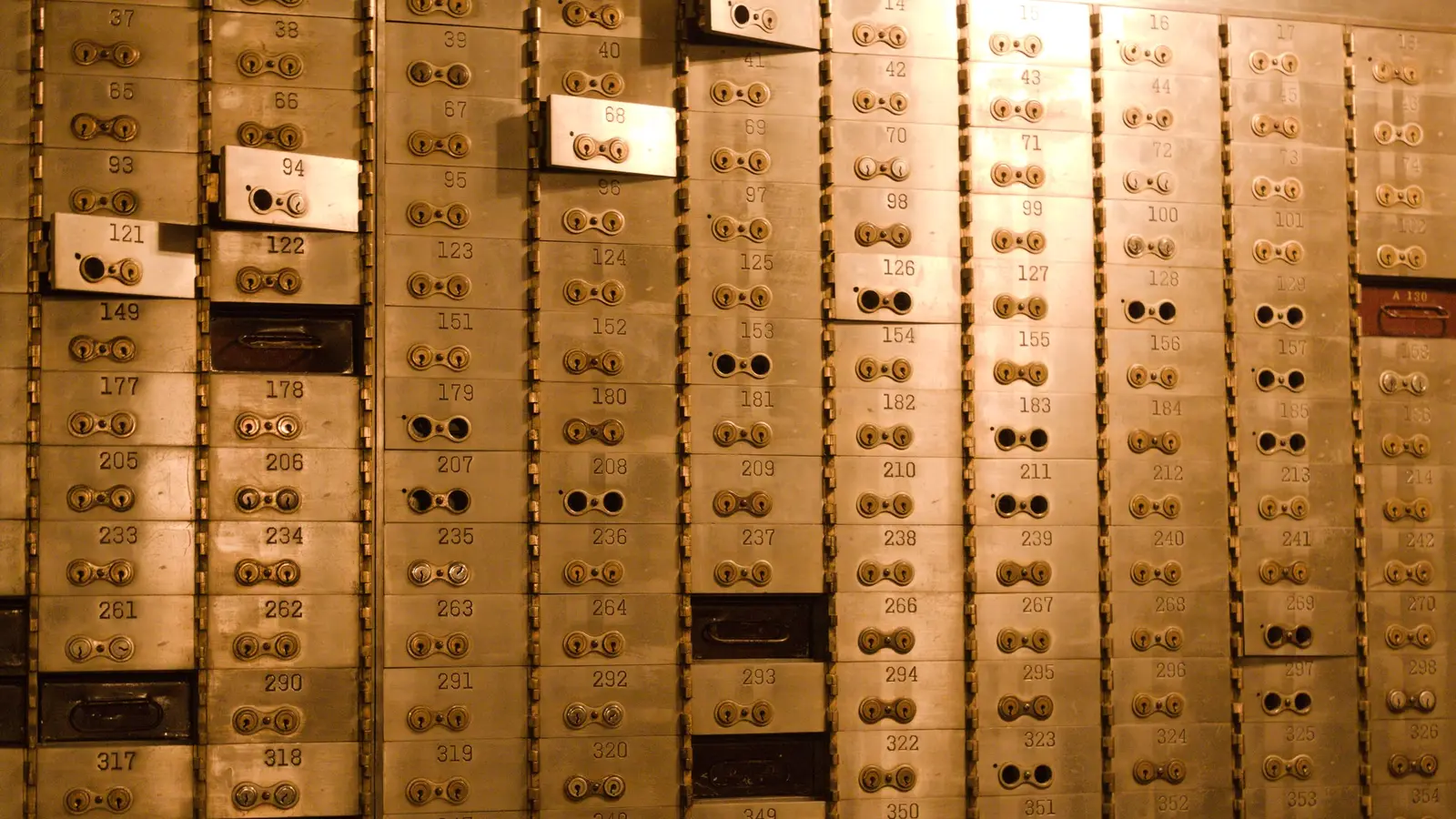
It does not cover investments such as stocks, bonds, mutual funds, crypto or annuities — even if you bought them through your bank — and it doesn’t cover the contents of a safe deposit box.
Credit unions have a separate federal insurance through the NCUA, with the same standard amount.
What “per ownership category” means
Different types of accounts are counted separately. For example, a single account in your name and a joint account with your partner are different categories, each with its own limit at the same bank. The FDIC’s deposit insurance pages explain every category and have a calculator for more complicated situations.
How to check your bank in 2 minutes
- Look for the “Member FDIC” sign on the bank’s website or app.
- Search the bank’s name in the FDIC’s BankFind tool on fdic.gov.
- Using an app or online-only account? Find the name of the partner bank in its terms, then check that bank.
Savings apps: the fine print
Many apps aren’t banks. They hold your money at a partner bank. If that bank is FDIC-insured, your money can be covered — but the protection depends on the money really being at that bank and the records being right. Read the app’s disclosures, and for money you can’t afford to lose, a regular insured bank account keeps things simple.
Australia: the Financial Claims Scheme
Deposits with an authorised deposit-taking institution (banks, building societies and credit unions licensed by APRA) are guaranteed up to $250,000 per account holder per institution. Moneysmart has a plain-English explanation and a list of what’s included.
Cash at home vs. in the bank
Cash in a drawer isn’t insured against theft, fire or loss, and it doesn’t earn interest. For cash stuffing, keep only the current pay period’s spending money at home and deposit savings envelopes regularly.
Bonus: a little interest helps
Savings accounts pay interest, and interest earns interest over time (compound interest). The SEC’s Investor.gov explains how it works and has a free calculator. It won’t make you rich, but on an emergency fund or a 52-week challenge it’s a small bonus for doing nothing.
This is general information, not personalized advice. Rules can change; check the FDIC or Moneysmart for the current details.
Frequently asked questions
How much does the FDIC insure?
The standard amount is $250,000 per depositor, per FDIC-insured bank, for each account ownership category (for example single accounts and joint accounts are separate categories).
Are savings apps and fintech accounts FDIC-insured?
Only the money that actually sits at an FDIC-insured partner bank is covered, and only if the app's records are correct. Check the app's disclosures for the name of the partner bank, and look that bank up with the FDIC.
Is money in Australian banks guaranteed?
Deposits with an Australian authorised deposit-taking institution (ADI) are covered by the Financial Claims Scheme up to $250,000 per account holder per ADI.
Sources
- FDIC: Understanding deposit insurance
- FDIC BankFind: check whether a bank is FDIC-insured
- NCUA (MyCreditUnion.gov): credit union share insurance
- Moneysmart (Australia): Financial Claims Scheme, $250,000 per account holder per bank
These are official, free resources. This article is general information, not personalized financial advice — for decisions about your own money, talk to a licensed professional or a nonprofit counselor.